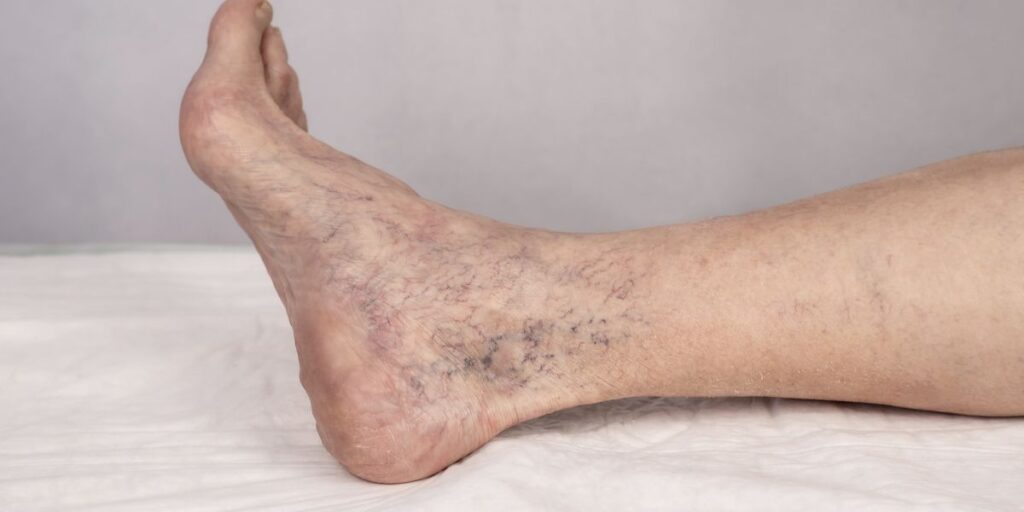

Leg pain that won’t go away. Swollen ankles. Cold feet, or a wound that refuses to heal. These can be signs of a problem with your blood vessels and they are easy to ignore until they get worse. If you live near Al Rawdah, finding a vascular specialist in Al Rawdah residents can trust is the first step. But how do you pick the right one? Doctors can look the same on paper. This guide walks you through what to check, what to ask and what to watch for, so you can choose a Vascular Specialist Al Rawdah patients feel confident about.
Signs you may need a vascular specialist
Your blood vessels carry blood to every part of your body. When they get narrow, blocked, or weak, your body lets you know. Watch for:
- Leg pain or cramps when you walk that ease when you rest
- Swollen legs or ankles
- Varicose veins that ache or bulge
- Sores on the feet or legs that heal slowly
- Cold, pale, or numb toes
Most of these build up slowly, so people put up with them for months. Don’t. If you get sudden pain, swelling, or redness in one leg, or a foot turns cold and pale, go to an emergency room right away. It could be a clot.
Check their training and experience
Start with the basics. A good vascular specialist has trained in vascular or endovascular care, not only general surgery. Ask about their qualifications and confirm their licence with the local health authority. It takes five minutes and tells you a lot.
Years of practice matter, but they don’t say everything. A better question is how many cases like yours the doctor treats each year. Someone who handles leg artery blockages every week will usually feel more at ease with yours than someone who sees one a month.
Look for modern treatment options
Many blood vessel problems can now be treated through a small cut, using thin tubes called catheters. This is called endovascular treatment. Compared with open surgery, it often means less pain, a shorter hospital stay and a quicker return to normal life. You can read more about what an endovascular surgeon does on Dr Abdul Rahman’s website.
Still, the best Vascular Specialist Al Rawdah has to offer won’t push one treatment on everyone. Some people only need medicine, exercise, or compression stockings. Others need a procedure. A good doctor tells you which group you’re in and why.
Notice how they talk to you
Pay attention during the first visit. Does the doctor listen without rushing you? Do they explain things in plain words? Could you repeat the plan back to a family member afterward? If you leave confused, that’s a warning sign. So is a doctor who suggests surgery before ordering any tests, or who skips over the risks.
Make sure they can test properly
Good care starts with a clear diagnosis. Vascular doctors often use a Doppler ultrasound, which shows how blood moves through your veins and arteries. They may also compare the blood pressure in your ankle and arm, or order a CT scan of the vessels. The clinic should either do these tests itself or send you somewhere reliable, quickly.
Questions to ask at your first visit
Bring a short list. These are a good start:
- What do you think is causing my problem?
- What are my options, including ones without surgery?
- What are the risks and how long is recovery?
- How often have you done this procedure?
- What follow-up will I need?
Think about the practical side
Care for vessel problems rarely ends after one visit. You may need scans, check-ups, or wound care over several months. So look at the small things: how far the clinic is, what hours it keeps, whether it accepts your insurance and what a visit costs. A Vascular Specialist Al Rawdah residents can reach easily makes follow-up simpler and you’re more likely to keep your appointments.
Be careful with online reviews
Reviews can help, but read them with care. One angry or glowing review means little. Look for patterns, like many people saying the doctor explained things well, or many saying they waited too long. Ask your family doctor too, or friends who have had similar treatment.
Don’t wait too long
Vascular problems rarely fix themselves. Narrow arteries stay narrow and weak veins don’t get stronger with time. Seeing a specialist early gives you more options and often a simpler fix. Dr Abdul Rahman is an endovascular surgeon who treats conditions like these and you can learn more here. Take your time choosing, but don’t put it off for long.