Patients now have access to endovascular surgery which provides a safer treatment method than traditional open surgery for their vascular diseases. The medical community in Abu Dhabi now prefers this advanced technique for treating artery and vein diseases because it enables patients to recover faster and experience fewer risks during treatment.
This guide presents information about endovascular surgery in Abu Dhabi which includes treatment methods and advantages for patients and their post-surgery recovery process.
What Is Endovascular Surgery?
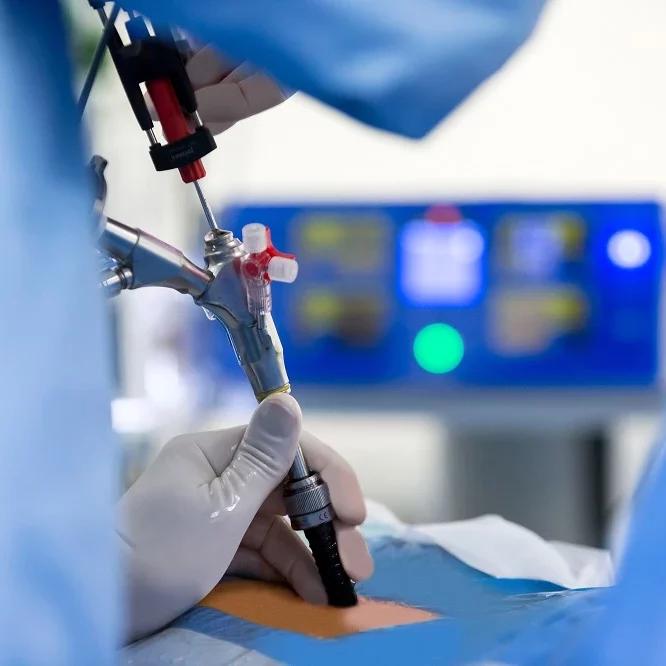
Endovascular surgery describes medical procedures that use catheters, guidewires and imaging techniques to conduct minimally invasive operations inside blood vessels. The vascular system becomes accessible to surgeons through a small puncture that they create in the groin or wrist instead of using large surgical incisions. Real-time imaging such as fluoroscopy enables precise navigation and treatment.
The medical field uses this technique to achieve accurate treatment outcomes for blockages and aneurysms and vascular abnormalities through a method that minimizes damage to nearby tissues.
Conditions Commonly Treated
Endovascular procedures treat various vascular disorders which include multiple medical conditions. Medical professionals most commonly treat these conditions which include the following:
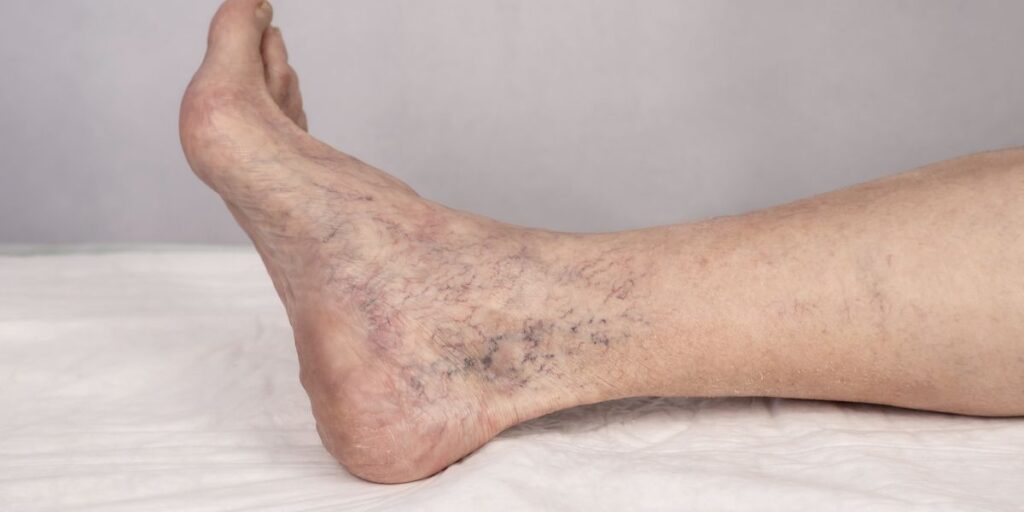
- Peripheral Artery Disease (PAD) – Peripheral Artery Disease (PAD) occurs when artery narrowing limits blood flow to the limbs which results in pain and numbness and prevents wounds from healing. Angioplasty and stenting can restore circulation.
- Aortic Aneurysms – Aortic Aneurysms occur when the aorta develops weakness that leads to life-threatening ruptures. Endovascular aneurysm repair (EVAR) strengthens the vessel without open surgery.
- Carotid Artery Disease – Carotid Artery Disease occurs when blood flow to the brain decreases which increases the chances of stroke occurrence. Minimally invasive interventions help improve arterial patency.
- Deep Vein Thrombosis (DVT) – Deep Vein Thrombosis (DVT) occurs when blood clots form in deep veins. Catheter-directed therapies enable treatment of some cases that meet specific criteria.
- Vascular Stenosis or Occlusions: Doctors use balloons and stents and atherectomy devices to treat patients who have vascular stenosis or occlusions which result from arterial or venous narrowing.
Key Benefits of Endovascular Treatment
Patients and doctors prefer endovascular surgery because it provides safe results and operational advantages. Surgical procedures deliver better outcomes than conventional surgery because they provide:
- Smaller Incisions: Surgical procedures need only a single tiny puncture which results in less scarring and decreases the chances of infection.
- Shorter Hospital Stay: Most procedures require no more than single day hospital stays.
- Reduced Pain and Blood Loss: The body experiences less tissue damage which results in better comfort for patients.
- Faster Recovery: Patients usually return to their regular activities after a short recovery period.
- Lower Complication Rates: The system provides important advantages to patients who belong to elderly or high-risk groups.
Modern vascular care systems show strong appeal to medical professionals because they come with multiple advantages from endovascular techniques.
What to Expect During the Procedure?
Endovascular surgery requires local anesthesia with sedation as the standard procedure although some cases need general anesthesia. The surgeon inserts a catheter through a small access point and guides it to the affected vessel using imaging.
The treatment uses two main procedures which depend on the medical condition being treated:
- Balloon angioplasty to widen narrowed arteries
- Stent placement to keep vessels open
- Embolization to block abnormal blood flow
- Graft insertion for aneurysm repair
Most procedures can be finished within a time span of several hours.
Recovery and Aftercare
The typical recovery process after endovascular surgery proceeds smoothly for patients who undergo this procedure. Medical staff observe patients for a brief period to confirm that their access site has achieved stable conditions. The body may develop mild bruising or soreness which usually disappears in a short period.
Common recovery characteristics include:
- Early Mobility: Medical professionals recommend walking exercises to patients within their first hours after surgery.
- Minimal Discomfort: Patients experience far less pain than they would from undergoing open surgery.
- Quick Return to Routine: Most patients return to their normal daily activities after just a few days.
Patients must make lifestyle changes and continue their medical check-ups to achieve successful long-term outcomes. Patients need to maintain control over their blood pressure levels and cholesterol levels and diabetes management and smoking cessation.
Choosing the Right Specialist
The success of endovascular treatment depends heavily on expertise, technology, and patient-specific evaluation. A qualified endovascular surgeon evaluates the patient’s medical history and imaging results and existing symptoms to decide which intervention to recommend.
Patients who seek treatment in Abu Dhabi can access current medical facilities which include outside hospitals and special vascular clinics and advanced imaging technology.
Endovascular surgery serves as a vital innovation for vascular medicine because it uses precise methods to deliver comfortable treatment experiences to patients. People can make educated healthcare choices by learning about all available treatment options and their corresponding advantages and recovery processes which help them determine when to seek emergency medical attention for their symptoms.