
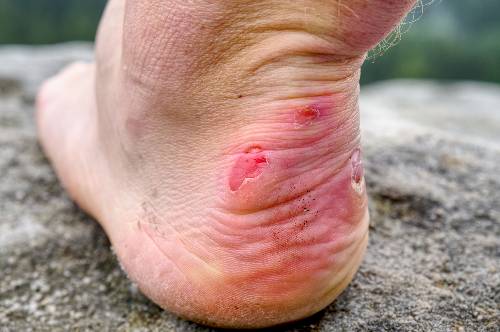
A small cut on your foot. You did not even feel it. A week later, it is still not healing. Two weeks later, it looks worse.
For someone with diabetes, this is not just a minor wound story. This is how serious complications begin.
Proper diabetic foot care is not something to think about after a problem shows up. It is something you need to start today — before anything goes wrong.
Why Diabetes Makes Foot Problems So Dangerous
Here is the thing most people do not fully understand.
Diabetes affects your body in two major ways that directly hurt your feet.
The first is nerve damage — also called neuropathy. Over time, high blood sugar levels damage the nerves in your feet. You start losing sensation. You may step on something sharp and not even feel it. A blister forms. You do not notice. It gets infected.
The second is poor blood circulation — called peripheral arterial disease. Diabetes narrows the blood vessels, reducing blood flow to your lower legs and feet. And when blood flow is poor, wounds heal slowly. Sometimes they do not heal at all.
Put these two together, and you have a situation where small injuries can quickly turn into deep wounds and leg ulcers that are hard to treat.
The Early Warning Signs You Should Never Ignore
Your feet are trying to tell you something. Listen.
Watch out for these signs — and if you notice any of them, see a doctor right away.
- A sore, blister, or cut that is not healing after a few days
- Redness, warmth, or swelling around a wound
- Numbness or tingling in your feet
- Pain in your legs when walking that goes away with rest
- Skin that looks dark or discolored near the foot or toes
- Any discharge or bad smell from a wound
Do not wait and hope it gets better on its own. With diabetic feet, waiting is the riskiest thing you can do.
Daily Diabetic Foot Care — What You Should Be Doing
Good diabetic foot care comes down to small habits done consistently. Here is what actually makes a difference.
Check your feet every single day. Look at the top, bottom, and between the toes. Use a mirror if you cannot bend down easily. You are looking for cuts, blisters, redness, or swelling.
Wash your feet with lukewarm water. Not hot — your nerves may not feel the heat and you could burn yourself without knowing. Dry them gently, especially between the toes.
Moisturise — but not between the toes. Dry, cracked skin can split and become an entry point for infection. Apply moisturiser to the top and bottom of your feet, but keep the area between your toes dry.
Cut your nails carefully. Cut straight across, not curved at the edges. This prevents ingrown nails, which can become infected.
Never walk barefoot. Not inside your home, not at the beach, not anywhere. Always wear clean, well-fitting socks and proper footwear.
Wear the right shoes. Tight shoes cause pressure points. Pressure points cause blisters. Blisters cause ulcers. Get shoes that fit well and have enough room for your toes.
What Happens When You Need Medical Treatment
Sometimes daily care is not enough. Leg ulcers and advanced diabetic foot complications need specialist attention.
At Dr. Abdul Rahman’s clinic, the approach to diabetic foot treatment involves a full team — vascular surgeons, wound care specialists, and other experts working together. That is important because diabetic foot problems are rarely just about the wound itself. The blood supply, nerve function, and bone structure of the foot all need to be looked at together.
Treatment can include wound assessment and proper dressings, vascular assessment to check blood flow to the legs, and if blood circulation is poor, procedures like angioplasty to improve it. For cases involving foot deformities, orthopedic support is also part of the care.
The goal is not just to treat the wound in front of you. It is to understand why it happened and stop it from coming back.
Mistakes People Commonly Make
Ignoring small wounds. A tiny cut is not tiny when you have diabetes. Treat it immediately, keep it clean, and watch it closely.
Using hot water to wash feet. You may not feel the temperature properly. Always test water with your elbow or a thermometer.
Skipping doctor visits because “it feels fine.” Diabetic foot complications can develop without pain. Regular check-ups catch problems before they become serious.
Self-treating deep wounds at home. Home remedies and over-the-counter products are not enough for diabetic foot ulcers. See a specialist.
FAQs
What is the best treatment for diabetic feet?
There is no single answer — it depends on your condition. A proper treatment plan involves blood sugar control, regular foot check-ups, wound care, the right footwear, and sometimes vascular or orthopedic interventions. A specialist will assess your specific situation and guide you.
Is diabetic foot curable?
Diabetic foot complications can be managed and treated effectively, but diabetes itself is a lifelong condition. With consistent care, regular check-ups, and timely medical help, you can significantly reduce the risk of serious complications and maintain good foot health.
What does a diabetic foot ulcer look like?
It usually appears as an open sore or wound on the foot — often on the bottom or around the toes. It may have redness around it, discharge, or a bad smell. The skin around it might look dark or feel warm. If you see this, see a doctor immediately.
How much does diabetic foot care cost in Dubai? The cost varies depending on the severity of the condition and the treatment needed. Consultations, wound dressings, vascular assessments, and any surgical interventions all affect the total. The best step is to consult directly with Dr. Abdul Rahman’s clinic to understand what your specific case requires.