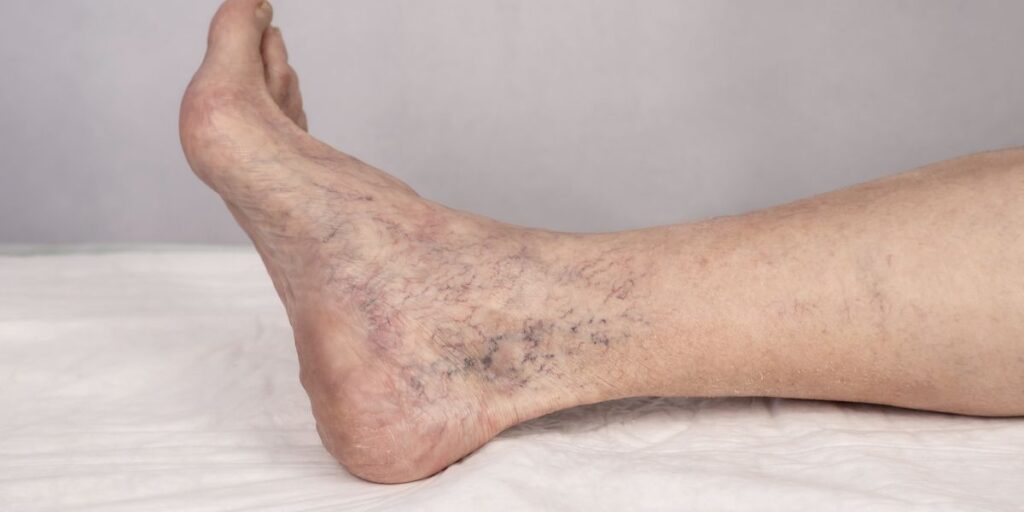
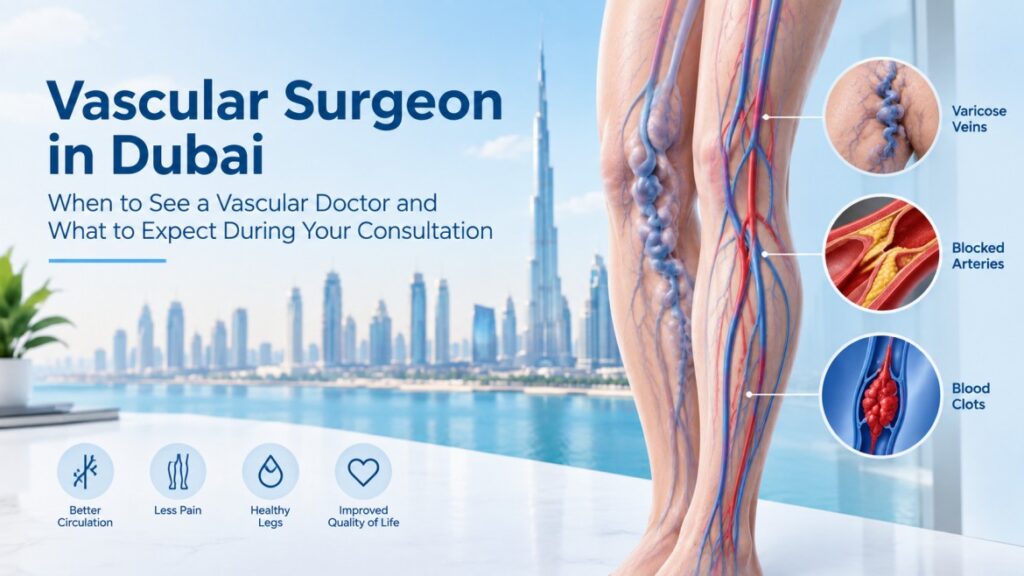
Leg pain, swelling and veins that look twisted and blue under the skin, most people shrug these off as age, or too many hours on their feet. Sometimes, though, they point to something going on with your blood vessels. That’s when it makes sense to see a vascular surgeon in Dubai.
What A Vascular Surgeon Treats
A vascular surgeon deals with your arteries and veins, the tubes that move blood through your body. Not the heart itself, that’s a cardiologist’s territory, but everything running off it. Varicose veins, blocked arteries, blood clots, poor circulation in the legs, all of it lands here. If your GP brings up any of these, you’ll likely get referred to a vascular doctor in Dubai for a proper look.
Signs Worth Paying Attention To
Vascular problems tend to sneak up on you. Maybe your legs feel heavy by evening, or they cramp at night without warning. Some people notice veins bulging under the skin, dark purple, sometimes raised above the surface. Others get cold feet even when it’s warm out, or a wound on the leg that won’t close up no matter what they try.
None of this should sit on the back burner. Poor circulation gets worse with time if nobody looks at it. A vascular surgeon in Dubai can tell you quickly whether it’s minor or something that needs real treatment.
A few common reasons people book a visit:
- Varicose or spider veins that hurt or keep spreading
- Swelling in one leg that just won’t go down
- Leg pain that comes on while walking and fades with rest (often a sign of blocked arteries)
- Family history of aneurysms or vascular disease
- Diabetic patients with foot wounds that heal slowly, or not at all
- Sudden swelling, warmth, or redness in one leg, which can mean a blood clot and needs urgent attention
If any of this sounds like you, get it checked instead of hoping it fades on its own.
Your First Appointment
Walking into a vascular doctor’s office for the first time can feel a bit much, but the visit itself is straightforward. The doctor asks about your symptoms, how long they’ve been going on and whether anyone in your family has dealt with similar issues. They’ll also ask about your day-to-day habits, how much you sit or stand, whether you smoke, what medications you’re on.
Then comes the physical exam. The doctor checks your legs, feels your pulse at a few points, looks for swelling or unusual firmness. Many clinics also run an ultrasound scan on the spot. It’s painless and it shows the doctor exactly how blood is moving through your veins and arteries as they watch.
Depending on what shows up, a vascular surgeon in Dubai might order more tests, blood work, or a CT scan, particularly if they suspect an aneurysm or a major blockage.
What Treatment Looks Like
Surgery isn’t always the answer. A lot of vascular issues respond to lifestyle changes, compression stockings, or medication that improves blood flow. Varicose veins can often be treated with laser therapy or sclerotherapy, both done without a hospital stay. The more serious cases, severe blockages or aneurysms, are where surgery comes in.
A good vascular doctor in Dubai will lay out every option and explain what actually fits your situation, rather than jumping straight to surgery when it isn’t called for.
Why Acting Early Matters
Vascular conditions don’t fix themselves. Catch one early and you’ll have more ways to deal with it. What starts as mild swelling in the legs can, months or years later, turn into something that limits how you move or raises your risk of a blood clot.
If you’ve been putting off a visit because the symptoms feel small, that’s the reason to go now, while treatment is still simple.
Conclusion
When picking a vascular surgeon in Dubai, look at their training, how long they’ve practiced and whether they’ve handled cases like yours before. Some focus mainly on vein conditions, others on arterial disease. Ask how they approach diagnosis and whether they’d try non-surgical options first.
The consultation itself is also a chance to see if you’re comfortable with them. Someone who listens, explains things plainly and doesn’t rush you into decisions about your own health.
Noticed swelling, pain, or changes in your legs that don’t add up? Don’t wait it out. See a vascular doctor in Dubai and get an actual answer.