
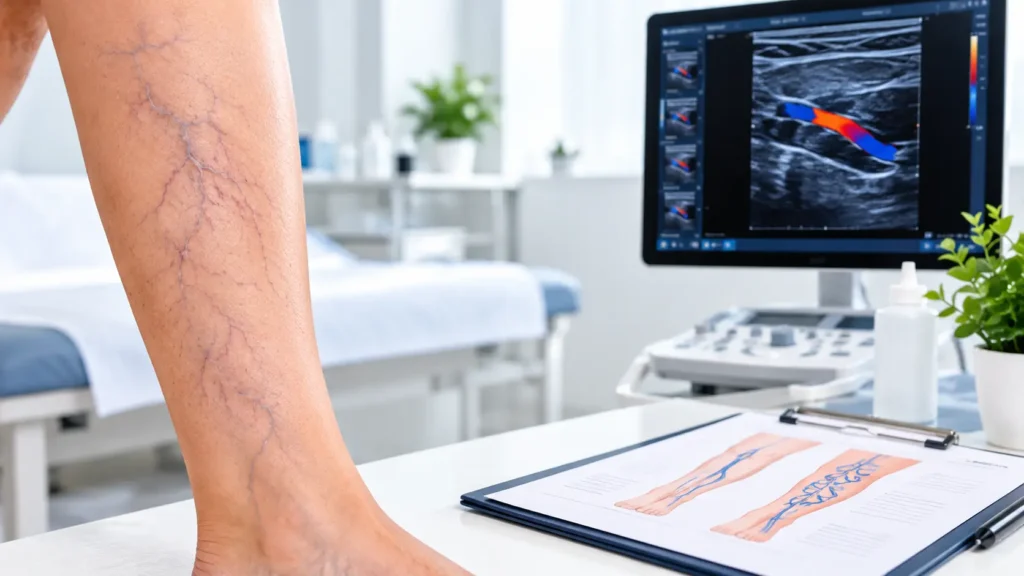
Choosing the right vein specialist in Dubai is one of the most important steps in getting safe, satisfying results. Whether you are bothered by spider veins, visible leg veins or aching, heavy legs, the doctor you pick shapes your diagnosis, your treatment plan and your recovery. With so many clinics offering vein care, it helps to know what to look for and what to ask. This guide walks you through seven practical questions to raise before you book.
Why Your Choice of Vein Specialist in Dubai Matters
Not every vein concern is purely cosmetic. Small spider veins are often a surface issue, but some vein problems can point to underlying circulation concerns that need proper assessment. A skilled specialist can tell the difference, explain your options honestly and recommend only what you actually need.
Clinics also vary in the technology they use, the range of treatments they offer and how thoroughly they assess patients. Taking time to compare providers protects both your health and your budget.
Question 1: What Are Your Qualifications and Licence?
Start with the basics. Ask about the doctor’s medical training, specialisation and licensing to practise in the UAE. A reputable vein specialist in Dubai will be happy to share this information and should not be evasive.
You can also ask:
- Which medical body licenses the clinic and the doctor?
- Does the doctor have specific training in vein or vascular conditions, or in dermatology or aesthetic medicine?
- Are they involved in continuing education on vein treatments?
Confirm credentials through official channels rather than relying on advertising alone.
Question 2: How Much Experience Do You Have Treating My Condition?
Experience with your specific concern matters. Someone who regularly treats spider veins may approach your case differently from a provider who mostly handles other conditions.
Ask how often the doctor performs the treatment you are considering, such as spider veins laser treatment in Dubai or sclerotherapy, and what kinds of cases they typically see. Be cautious of vague answers or overconfident promises.
Question 3: Will I Have a Full Consultation and Assessment First?
A proper consultation is the foundation of good vein care. Your specialist should review your medical history, examine the affected areas and discuss your goals before recommending anything.
Depending on your symptoms, the doctor may suggest a vein ultrasound to check deeper veins. If a clinic recommends treatment without any real assessment, that is worth questioning.
Question 4: Which Treatments Do You Offer, and Why Do You Recommend This One?
Different vein problems call for different solutions. Common options include laser therapy, sclerotherapy and other procedures for larger veins. A good specialist explains the reasons behind their recommendation instead of pushing a single option.
Useful follow-ups include:
- Why is this treatment suited to my type and location of veins?
- What alternatives exist, and what are their pros and cons?
- Could a combination of treatments work better for me?
Clinics that offer a range of options are often better placed to match the treatment to the patient, rather than the patient to the treatment.
Question 5: What Technology and Equipment Do You Use?
Modern devices can make a difference, but the doctor’s skill matters just as much as the machine. Ask what equipment the clinic uses, whether it suits your skin type and vein size, and how settings are chosen for each patient.
Skin tone, vein depth and vessel size all influence which approach is appropriate, so a personalised plan should be part of the discussion.
Question 6: What Are the Risks, Recovery Time and Realistic Results?
Every medical procedure carries potential side effects. Your specialist should openly discuss them, along with how long recovery may take and how many sessions you might need.
Be wary of anyone who guarantees instant or permanent results. Veins usually fade gradually, outcomes vary between individuals and new spider veins can develop over time. Honest expectations are a sign of a trustworthy clinic.
Ask what temporary effects, such as redness or bruising, are normal and when you should contact the clinic.
Question 7: What Does Aftercare Look Like, and How Is Pricing Explained?
Good care continues after the procedure. Ask for clear written aftercare instructions, including guidance on sun protection, activity and any compression advice. In Dubai’s strong sunshine, protecting treated skin is especially important.
On pricing, ask for a transparent, personalised quote that explains what is included, such as consultation, number of sessions and follow-up visits. Cost varies with the treatment area, number of sessions and technology, so compare quotes on value and clarity rather than on the lowest number alone.
Red Flags to Watch For
Take a step back if you notice any of these:
- No proper consultation or medical history review
- Pressure to book immediately or buy large packages
- Guaranteed results or “miracle” claims
- Unclear credentials or reluctance to answer questions
- No written aftercare guidance
Tips for Your First Appointment
Make the most of your visit by preparing ahead:
- Write down your symptoms and how long you have had them.
- Bring a list of medications and relevant medical history.
- Prepare your questions from this guide.
- Take note of how comfortable you feel with the doctor and team.
Feeling heard and informed is just as important as the treatment itself.
Frequently Asked Questions
Do I need a referral to see a vein specialist in Dubai?
Requirements vary by clinic and insurance arrangement, so it is best to check with the clinic directly.
Are spider veins a medical problem or just cosmetic?
They are often cosmetic, but a doctor can check whether they are linked to a deeper vein issue.
How long does a vein consultation take?
This depends on the clinic and your needs. Ask when booking so you can plan your time.
Can one clinic treat both spider veins and varicose veins?
Some do, while others focus on one area. Ask which conditions and treatments the clinic covers.
Conclusion
Finding the right vein specialist in Dubai comes down to asking clear questions and expecting clear answers. Check credentials, confirm relevant experience, insist on a proper assessment, understand your treatment options and look for transparency on risks, aftercare and pricing. A patient-focused specialist will welcome your questions and help you make a confident decision.
Ready to talk to a specialist? Book a consultation with Dr. Abdulrahman’s team to discuss your veins, your goals and the treatment plan that suits you.Choosing the right vein specialist in Dubai is one of the most important steps in getting safe, satisfying results. Whether you are bothered by spider veins, visible leg veins or aching, heavy legs, the doctor you pick shapes your diagnosis, your treatment plan and your recovery. With so many clinics offering vein care, it helps to know what to look for and what to ask. This guide walks you through seven practical questions to raise before you book.