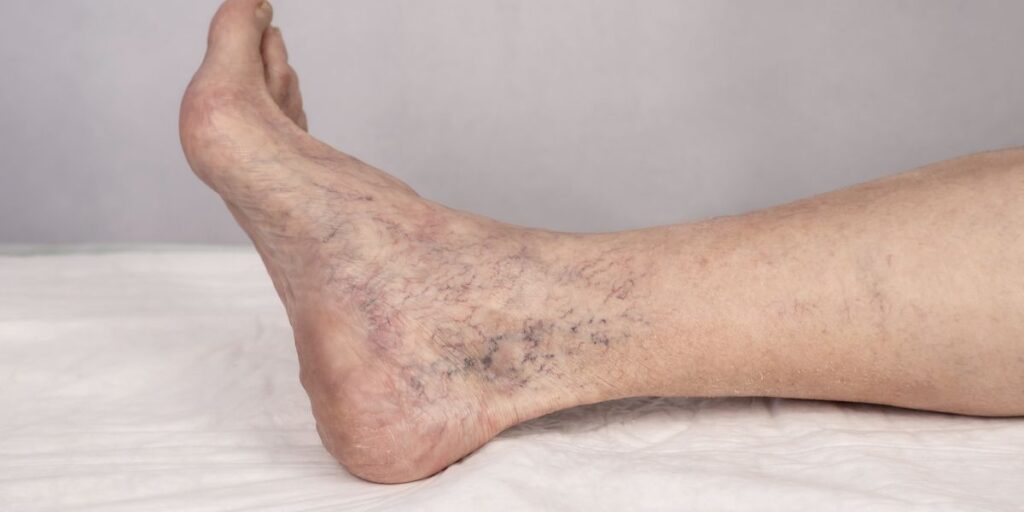
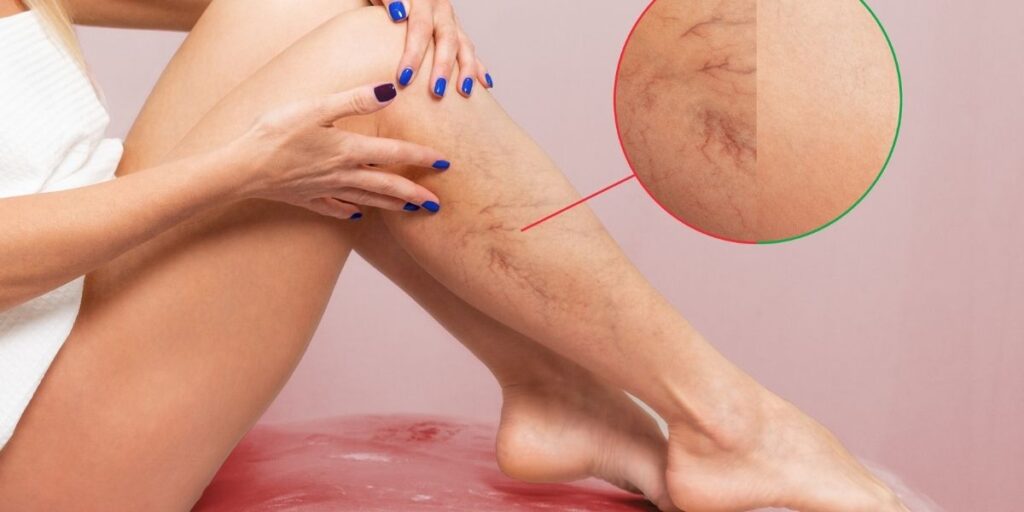
Varicose veins are one of the most common vascular diseases worldwide, affecting millions of people. These are swollen, twisted, bulging veins most often found in the legs, creating a defect that does not have aesthetic value and can lead to a serious medical problem if left untreated. Knowing the deforming causes, symptoms, and treatment will help in making a decision on when to seek a doctor.
Here are some definitions of varicose veins:
These occur due to weakness of the vein valves inside. In this case, these valves, which were supposed to ensure blood flow only in the heartward direction, are incompetent. When fail like such, blood accumulates with the same leads to stretching and tortuosity and bulging under the skin.
In addition to the massive common presence on legs and feet, some varicose veins can be found all over the body where veins have had to endure high pressure.
Causes of Varicose Veins
- Genetic: If you have a history of relatives having varicose veins, your risk is greatly increased.
- Aging: The elasticity of veins decreases as one gets older, and valves may also become impaired.
- Prolonged standing or sitting: Sitting or standing without moving for long periods of work can lead to poor blood circulation.
- Pregnancy: There may be increased blood volume and changing hormones, further adding to the load on the veins.
- Obesity: Being overweight causes added pressure on veins of the legs.
- Sedentary lifestyle: Too little exercise can intensify circulation problems of the veins.
Symptoms That Should Not Be Ignored:
Will hardly feel symptoms, but many will develop mild to severe complaints to the limits that daily activities may be inhibited. Common symptoms are:
- Blue or purple bulging veins
- Pain, throb, or heavy feeling in the legs
- Swelling in the ankle or foot area
- Skin itching or irritation around the veins
- Muscle cramps, especially at night
- Skin discoloration or ulcers that show up in advanced cases
Symptoms worsen and medical intervention is compromised.
When Do Varicose Veins Need Medical Attention?
There was a time when medical treatment became necessary when varicose veins became painful or caused swelling, skin changes, or consequences such as ulcer or blood clot formation. Failing to notice these may advance to chronic venous insufficiency or more severe vascular conditions.
The varicose veins treatment we are discussing today in Dubai and that taking place in Abu Dhabi is now a focus on the minimally invasive approach, which should yield great results with less chance of having a lengthy recovery. New methods are safer, faster, and more comfortable compared with traditional ones.
Currently Available Treatments
The current treatment options vary depending on severity of the condition and include:
- Endovenous laser treatment (EVLT)
- Radiofrequency ablation
- Sclerotherapy
- Ultrasound-guided foam therapy
- Low-grade manifestations therapy lifestyle and compression
Such procedures are outpatient basis and are designed to be such that patients will return to their normal daily activities soon.
Take the First Step Toward Healthy Legs
Varicose veins are more than a cosmetic problem; they have ramifications for one’s quality of life and long-term vascular health. Only by early diagnosis and therapy can complications be averted and comfort and appearance improved.
Indeed, if such symptoms are detrimental to one’s daily activities or are the reason one is seeking expert treatment, this is perhaps an excellent time to consult a qualified varicose vein specialist in Dubai or Abu Dhabi and take personal steps toward healthier, pain-free legs.